engineer checking readings on a tablet

What to Expect From Your Booster Pump Maintenance Contract

Booster pumps play a vital role in environments such as schools, blocks of flats and apartments, public buildings and offices, increasing water pressure to enable the transportation of water across several storeys.

When booster pumps fail, the result can be extremely disruptive for building users, with water pressure dropping and in some cases, water supplies being cut off completely.

Unfortunately, many premises that rely on a booster pump neglect regular qualified maintenance, leaving essential tasks to on-site maintenance and repair teams who may not have the skills, tools and expertise to properly maintain pumps or notice when something is wrong before it’s too late.

Read our latest blog post to find out more about the recommended frequency of booster pump maintenance, what should be checked during a service, signs that a service may be due, as well as a checklist to help you carry out routine checks yourself.

Recommended Booster Pump Service Frequency

If you’re responsible for the care and ongoing maintenance of a booster pump, you should aim to have it serviced by a professional pump engineer annually. Preventative maintenance of your pumps through a regular pump service plan offers a number of benefits including:

  • Reduced risk of unexpected breakdown.
  • Increased efficiency of the pump.
  • Decreased risk of injury from pump malfunction.
  • Higher building user satisfaction.
  • Reduced noise and vibration from the pump.
  • Rectification of small problems before they develop into larger (and more expensive) ones.
An image of an engineer programming a booster set

What’s Checked During a Booster Pump Service?

During a booster pump service with Mawdsleys Pump Services, a number of key components will be inspected to assess their health. Before the inspection commences, a full risk and method statement in undertaken, following this, a series of checks are carried out including:

  • Take pump information including serial number, KW, volts, amps phase, etc.
  • Water tank valve ball.
  • Inlet pipe work and valves.
  • Outlet pipe work and NIR/Valves.
  • Pressure vessels check.
  • Tank pressure check.
  • Gauge check.
  • Pressure sensor check.
  • Start and stop pressure.
  • Speed control system.
  • Single phase.
  • 3 phase.
  • Hours run.
  • Rotation of motors.
  • Running amps.
  • Earth and bonding.
  • Check earth trip.
  • Check panel.
  • Check bulbs on panel.
  • Check pumps.
  • Return to automode.

Throughout the inspection, vital components such as bearings will be replaced. Following inspection, a full report will be issued to highlight any areas that require remedial work or may soon require attention.

Signs That Your Booster Pump Is In Need Of a Service

In addition to your regular maintenance contract, you should call in a professional pump engineer if you notice any of the following:

  • Excessive vibration from the pump.
  • Excessive noise being created by the pump. Read our blog to find out more about controlling noise in your booster pump system.
  • Low water pressure.
  • No water pressure.
  • Rust or degradation within any component of the pump.
  • Leaking from pipework or pump unit.
  • Increase in energy bills.

Booster Pump Maintenance Checklist

Before carrying out any pump maintenance or visual checks, you should ensure you have consulted the pump manufacture’s supply manual and have the right protective equipment. You should aim to carry out the following checks on a monthly basis:

  • Visual inspection of the shaft seal for any leakage, you should call a professional pump engineer if you notice any leakage.
  • Visual inspection of the pumps pressure and discharge gages, any abnormal readings should be assessed by a professional pump engineer.
  • Check of the pumps foundation to ensure the frame is secure – any bolts that are loose should be tightened – if this problem reoccurs is could be a sign of excessive vibration.
  • Check vital components of the pump for any rust or other degradation.

To help you keep on top of routine maintenance, we’ve created a free inspection checklist for responsible persons. Click the button to download your copy.

Booster Pump Maintenance Contracts at Mawdsleys

At Mawdsleys Pump Services, we offer pump maintenance and servicing contracts for all types of pumps within any environment.

Our maintenance contract users benefit from priority response, regular preventative maintenance visits, 24/7 call out and more to ensure their pumps are running as efficiently as possible with minimal risk of breakdown.

For more information about our pump maintenance contracts or any of our other services, give one of our expert team a call today on 0117 954 8030.

An image of three schoolboys

Back To School – Are Your Pumps Ready for the New Term?

Pumping system maintenance for schoolsWith summer coming to an end, the new term is looming for schools and other educational establishments across the country.

In these environments, proper maintenance of pumps and associated equipment is essential, but stretched budgets, no maintenance plans and lack of knowledge can often result in schools dealing with unexpected breakdowns.

In our latest blog post, we’ll run through the risks of failing to maintain pumping equipment in schools, the pumps most commonly found in schools, checks you can carry out and how Mawdsleys can help ensure your pumps stay up and running all year round.

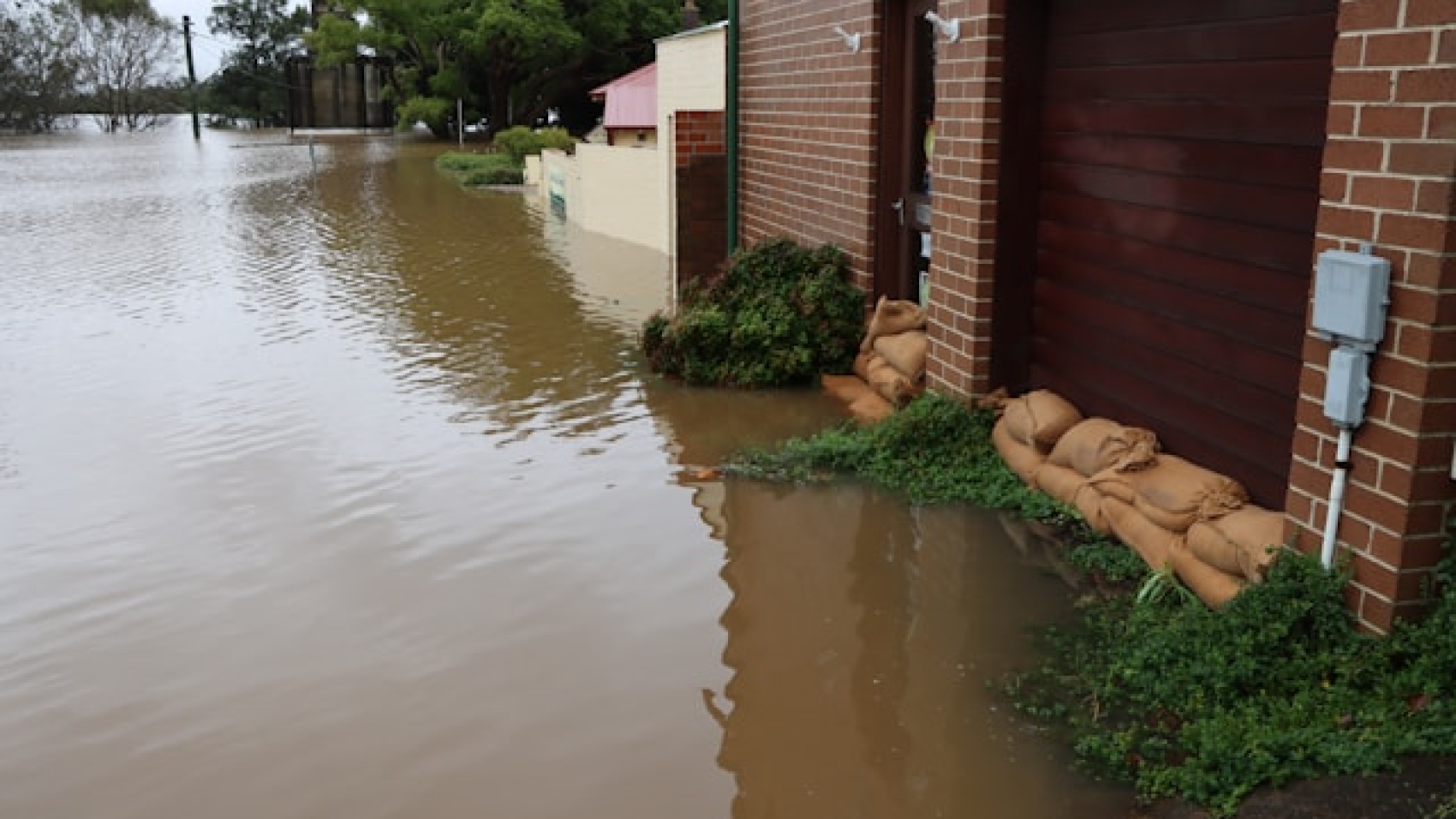
A photo showcasing a flooded area and sandbags blocking an area

4 Step Flood Contingency Plan For Home And Business

The first named storm of the season has hit the UK. Storm Aileen has already done extensive damage to homes and businesses throughout northern parts of the UK, with public transport services affected and thousands left without power.

Whilst flooding is not uncommon in the UK, homes and businesses are rarely properly prepared for flooding when these storms hit. To ensure that your home or business is prepared for storms and flooding, read our simple 4 step flooding contingency plan.

2 engineers in hi vis jackets in front of two Mawdsleys Vans

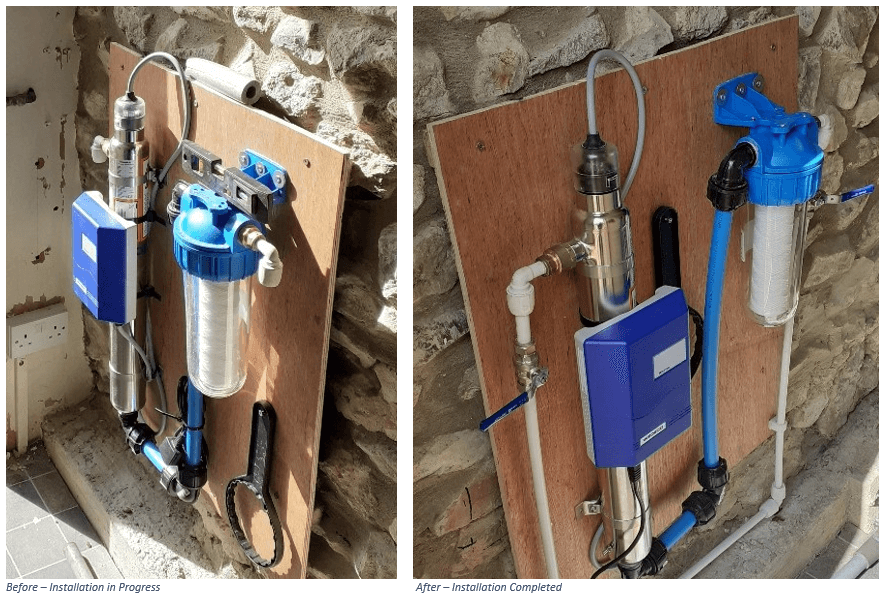
Why do I need to have an Ultra Violet Filtration Service?

More households than ever are looking for ways to utilise water supplies that are naturally and freely available, whether this be from private wells, boreholes, lakes and reservoirs.  There is no better taste than pure rainwater, however, the method used to collect the water means it is prone to many harmful bacteria that

is not obvious to the eye or taste. Ultra Violet Systems can destroy 99.99% of harmful microorganisms that will avoid the use of chemicals or change the odour and taste of your water.

I have never become ill from the water before so why should I have a service?

The quality of water changes daily and, depending on the source, can be affected by variables including surface contamination, flooding, heavy rainfall, drought and snow melt.  Water that was safe yesterday is not guaranteed to be safe tomorrow and there is no easy way to manage the safety of a private water supply without a filtration system in place. Elderly and young children are at the highest risk, as they will not have such a strong immune system, but anyone can be affected.

In fact, many people have commented that after a UV filtration system was installed they have felt less lethargic, and this could be that they have unknowingly been fighting bugs for many years.

What is Ultra Violet Light (UV)?

UV or ultraviolet light is a type of energy found in the electromagnetic spectrum, shining at a specific wavelength.  We are all subject to a small amount of ultraviolet light every time we step into the sunlight. However, it is not visible to the naked eye.

All light is at different wavelengths, for example, a rainbow demonstrates the spectrum of light from red through to blue as each colour shows their individual wavelength.  Ultraviolet is present at the invisible, violet end of the light spectrum.

For over 25 years, UV technology has been used as a safe and trusted, cost-effective process to purify water and eliminate harmful micro-organisms by the water industry, bottled water manufacturers, and homeowners.

How often should I service my Ultra Violet Filtration System?

An ultraviolet lamp will remain effective for between six – twelve months depending upon the water quality. The light will continue to operate long after this period but will not generate the required intensity of UV light. We normally recommend a service every 12 months, to include a sediment filter element and lamp change, to ensure that water quality is maintained within safe limits.

Need a Hand?

For any other help or information give one of our branches a call today on 0117 954 8030, or fill out a contact form and one of our expert team will get back to you.